

YOUR CART IS EMPTY
Go to cart
Glass cutting, despite its potentially scary appearance, is a skill that can be learned with appropriate tools and guidance. From replacing a window pane to crafting mirrors or glass art, a glass cutter provides numerous possibilities. Newcomers commonly ask, "Can I really do this?" or "Is it safe to cut glass myself?" The answer is affirmative, as long as you adhere to correct techniques and safety measures.
To get started, let's round up the necessary equipment. A reliable glass cutter is key, plus some other items to enhance the project and keep you safe:
Mastering glass cutting doesn't demand expert skills, but accuracy and persistence are crucial. This is a beginner's how-to guide:
Begin by thoroughly cleaning the glass. Debris can hinder your cutter and create irregular cuts or breaks. Use a cloth that doesn't leave lint and place your glass on a level, non-skid surface, such as a mat or towel. This offers stability while scoring.
Employ a measuring tape, ruler, and grease pencil or fine marker to plan your cut. Always measure twice, mark once to prevent errors. Create a clear line, but keep it subtle to avoid smearing or obscuring your view while cutting.
It's now time to score the glass. Hold your cutter like a pen-upright and firm. Begin at the edge, and draw toward you in one unbroken movement, applying consistent pressure. If done right, you should hear a light scratching sound.
Tips:
Once scored, position the glass so the scored line aligns with the table's edge or use running pliers. Gently push on both sides of the score line until the glass cleanly snaps. Use equal pressure and avoid forcing it; rushing this step can lead to cracks.
Use a glass file, sanding stone, or fine sandpaper to smooth the cut edge. Always wear gloves for protection during this step, because the edges can be sharp. Smoothing not only reduces the risk of injury but also diminishes the likelihood of chipping later.
Handling glass demands care. Here are safety points to consider:
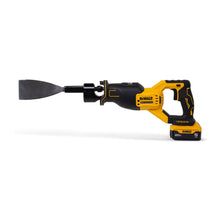
For professionals or tougher jobs, the Eliminator™ Auto Glass Cut Out Blade provides accuracy and power for sturdy materials.
Learning glass cutting involves some missteps, but steering clear of these typical errors will assist:
Disregarding measurements: Cutting hastily without review can create waste.
Grasping how to cut glass allows you to tackle tasks confidently. From car window fixing to unique mirror projects, the proper tools and patience make it a safe and pleasant process. For tools favored by pros, consider GT Tools' Glass Cutters and Glass Cutting Blades for accurate, effective results.
Q1. Can I use a glass cutter at home as a beginner?
No, it’s not recommended for complete beginners to use a glass cutter at home without proper guidance or training. Glass cutting requires steady technique, the right tools, and safety precautions, mistakes can lead to injury or damaged materials. It's best to practice under supervision or consult a professional for important projects.
Q2. What kind of glass can I cut using a basic glass cutter?
It's possible to score and break common window glass, mirrors, and certain craft glass types using a simple glass cutter. However, tempered glass isn't suitable for cutting due to safety concerns.
Q3. Why did my glass crack unevenly after scoring?
Inconsistent pressure or re-grooving the line may result in irregular or deviated cracks.
Q4. Is it necessary to smooth the edges after cutting?
Smoothing minimizes the risk of harm and enhances the safety of the glass for both handling and installation.