

YOUR CART IS EMPTY
Go to cart
A professional replacement tool kit is a sequence of purpose-built tools that move a job from start to finish: protecting the vehicle and glass, cutting the bonded glass free, preparing the bonding area, handling the replacement glass, and applying urethane. Each stage asks for a specific tool, and each tool works best when it matches the vehicles you service and the volume you run. A complete kit is a coordinated set of dedicated tools and replenishable consumables, not a low-cost bundle with a few general-purpose items thrown in.
What tools do professional auto glass shops need for windshield replacement? The workflow calls for these stages and the tools that support them:
• Protection: interior covers, a dash protector, and personal protective equipment.
• Glass support and control: suction cups and a plan for holding the glass when the bond releases.
• Removal: a wire or cord system, a powered cut-out tool, or a long-blade cold knife.
• Preparation: molding and clip tools, a pinchweld razor scraper, cleaner, primer, and activator.
• Handling and setting: a double suction cup or glass handler, and a setting device where needed.
• Urethane application: a caulking gun matched to the urethane and the shop's battery platform.
GT Tools organizes its auto glass replacement catalog into categories that follow this same sequence: tool kits, reciprocating tools and blades, cord wire and knife tools, oscillating tools, cold knives, long knives, suction cups, installation devices, caulking guns, prep and cleaning tools, pinch weld and gasket tools, and protective equipment. Reading that category map as a workflow, rather than a shopping list, is the fastest way to spot the gaps in a kit.
Protection is the first operational stage, and it happens before any blade or wire touches the urethane. It covers interior protection, dash protection, personal protective equipment, stable glass support, and a plan for controlling the glass the moment the bond releases. No removal method eliminates the need to support the glass safely.
A cut-out workflow should prevent uncontrolled glass movement. When a windshield is fully released, gravity takes over, and a large panel can drop or twist. Plan the last few inches of the cut so you know where the glass goes the instant it comes free. Heavy-duty glass suction cups are designed to move glass in and out of position and help minimize handling accidents. Set the cups on a clean panel, confirm the seal, and keep a hand on the glass through the release.
A dash protector should stay in place during wire or cord removal, and the technician should work with steady pressure against that protection while cutting. Combine that with interior covers, eye protection, and cut-resistant gloves, and the protection stage is doing its full job before the cut begins.
One-person removal is not automatically the right call. Match staffing, glass size, vehicle access, and available lifting or setting equipment to the job in front of you.
Frame the choice between wire systems, powered cut-out tools, and cold knives around shop volume, access around the vehicle, portability, technician control, vehicle protection, available batteries, and the consumables you can keep in stock. Quick removal still has to preserve control and protect the vehicle.
|
Removal method |
Ideal shop volume |
Access and control |
Consumables |
Portability |
|
Wire / cord system |
Mixed to high volume, molding-free vehicles |
High control with a metered winding mechanism; works in tight quarters |
Cutting wire or cord, wire starters, anchors, guide pins |
Portable platforms available; suits mobile and shop work |
|
Powered cut-out tool |
High-volume and mobile, with battery logistics planned |
Fast around the glass edge; control depends on tool balance and technician skill |
Reciprocating blades, batteries |
High for cordless models; runtime planning required |
|
Long-blade cold knife |
Low to mixed volume; backup method for any shop |
Full manual control; slow but predictable |
Replaceable cold-knife blades in multiple lengths |
Very high; compact, no power needed |
Treat that as a buying framework, not a guarantee. Any method can damage trim or a pinchweld with poor technique or the wrong consumable.
Wire and cord systems thread a braided or square wire through the urethane and pull it back and forth to slice the bond. They matter more as manufacturers reduce or eliminate windshield molding, because cord and wire cutting helps prevent body damage during the cut. GT Tools describes its Cord Wire and Knife Tools as removing glass with very low impact to the vehicle and the technician, reducing both potential damage to the car body and wear and tear on technicians' joints.
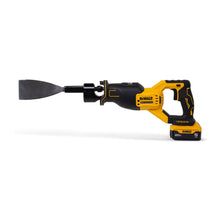
Powered cut-out tools use a reciprocating blade around the glass edge to separate the windshield. They remove glass quickly, and the trade-off is that control near trim depends on tool balance and blade choice.
Long-blade cold knives manually slice the urethane bead from outside the vehicle. Slow, but the technician feels the cut, and every kit benefits from a cold knife as a backup that needs no power and no air.
Prioritize a wire system when you need controlled urethane cutting, tight-access work, and protection for panels, paint, trim, and internal components. Evaluate one against concrete criteria: secure anchoring that holds under tension, a winding mechanism the technician can meter, room to operate around quarter glass, guide and protection components that keep the wire on the right path, compatibility with the wire and cord you prefer, and ready availability of replacement materials.
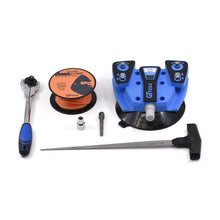
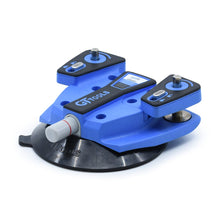
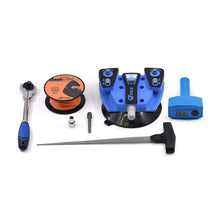
The FinalCut™ winding assembly is a useful example of how to read a listing rather than a blanket recommendation. GT Tools positions it for the specialist already equipped with wire and cord materials and the other ancillary items needed for non-invasive cutting, and describes its small profile and footprint as fitting into tight spaces for tough quarter glass cuts while being over-engineered to withstand the daily abuse of windshield cut-outs. Read the listing carefully before you order: the winding-assembly-only configuration does not include the swivel ratchet and socket. That is exactly the kind of detail that decides whether a tool arrives ready to work.
For complete cord and wire systems rather than the assembly alone, the Cord & Wire Cutout Tool Systems collection is the starting point.
Managing the wire is part of the technique. Keep the wire and cord between the windshield and the pinchweld so it slices urethane instead of scoring the body, and use guide pins to hold the wire against the glass and reduce breakage risk during the cut.
Compare a dedicated wire system to a cheap all-in-one kit through decision criteria, not a price tag. Durable construction, a controlled winding and anchor setup, replaceable consumables, purpose-specific protection pieces, and compatible replacement parts matter far more than a large but generic item count. A bundle that lists many items but skimps on the winding mechanism, or offers no replacement wire, will slow you down the first time a consumable runs out.
How do you select a long-blade cold knife and replacement blades? Consider blade reach, handle control, the availability of replaceable blades, the cut location you plan for, and the range of blade shapes and lengths that match vehicle access. Buying one blade for every job is a false economy, because different vehicles need different reach and angles.
The Base Auto Glass Hand Tool Package shows what a graduated set looks like. It includes a medium-handle cold knife with 0.75-inch, 1-inch, and 1.5-inch standard cold-knife blade five-packs, an 18-inch long knife, a pinchweld razor scraper with 0.50-inch, 0.625-inch, and 0.75-inch razor blade ten-packs, a hook pick set, a rope insertion tool, a ball-end rubber gasket tool, a bent shaft locking strip tool, molding release and wiper removal tools, a Ford rear view mirror removal tool, wire handles, and chisel sticks. Short blades handle tight cuts; the long knife gives you deep reach.
For powered cut-out tools, compare the power source, battery-platform compatibility with equipment already in the shop, runtime planning, tool balance, blade availability, access in tight areas, and how much manual control the tool allows. Mobile technicians should prioritize portable power, manageable battery logistics, and compact storage. High-volume shops should prioritize durable equipment, a repeatable workflow, readily stocked consumables, and backup capacity for busy days.
A running-out consumable stops a job faster than a broken tool. Keep a stocking checklist: cold-knife blades in multiple lengths, razor blades, cutting wire or cord, wire starters, anchors, guide and protection items, scraper blades, and batteries for any cordless tools. Track how fast each item wears in your shop and reorder before you hit zero.
What is the best tool for removing old urethane from a pinchweld? It depends on how much urethane remains, the access you have, and the need to preserve the bonding surface. Dedicated pinchweld prep tools beat general-purpose scraping because they let the technician control removal along the surface. Matching blade width to the bead trims the old urethane to a clean, even base with more control over the primed metal.
Primer and activator prepare both the glass and the painted pinchweld for adhesive bonding and corrosion resistance, while cleaner and lint-free wipes prevent contaminated bonding surfaces. Follow the adhesive manufacturer's instructions and the applicable vehicle repair procedures for material-specific requirements. Those documents govern how each primer, activator, and urethane behaves on your job.
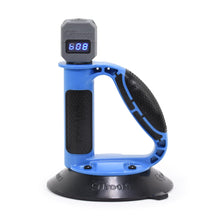
Handling decides whether a clean cut turns into a clean set or a cracked panel. When comparing a double suction cup or glass handler, weigh glass weight and size, the rated capacity the manufacturer supplies, cup condition and sealing surface, handle ergonomics, the release mechanism, and whether the job needs two technicians or a dedicated setting device. Compare price only alongside stated capacity and condition requirements, since a low price on an underrated or worn cup is not value. Confirm the cup is rated for the panel you are about to move.
A setting device lets one technician extract and install glass, including heavy panels, by suspending the windshield above the urethane for placement. Move from manual handling to a windshield installation device when the glass is too large or heavy for two hands to place accurately, or when solo setting risks touching the fresh bead. A setting device buys repeatability and keeps the glass square during placement.
The last stage lays the bead the whole job depends on. A caulking or applicator gun lays an even, consistent urethane bead, and battery-powered guns offer better control over thick, high-viscosity urethane.
Which features matter in mobile versus high-volume work? Look at battery-platform compatibility, available backup batteries, controlled dispensing, handling of thick urethane, ergonomic use across a shift, and charger logistics. A cordless gun frees a mobile technician from a cord and a power source at the job site, which matters most when the vehicle is in a driveway or parking lot. Choose a gun that shares a battery platform with your other cordless tools where you can, and keep a charged spare on the truck rather than treating the second battery as an afterthought. Browse the Caulking Guns collection to match the gun to the urethane format your shop uses.
A complete kit should cover every workflow stage, from protection through urethane application. A dedicated-tool approach lets the shop match the removal method, handling equipment, and consumables to its vehicle mix and work volume, so nothing in the kit sits unused.
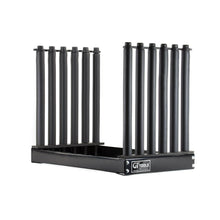
GT Tools offers pre-made package options and also lets buyers choose specific items for their situation while receiving the same kit discounts as the pre-made packages. The Create Your Own Kit builder covers reciprocating power tools, caulking guns, glass handling suction cups, hand tools, cord and wire removal systems, glass racks and stands, quarter glass removal tools, single technician installation systems, and optional accessories, with four starter packages you can modify: Personal & Commercial Vehicles, RVs & Heavy Equipment, Single Installer Package, and Complete Package. If you want a faster start, browse the Auto Glass Tool Kits collection for pre-built packages.
Run the order against a stage-by-stage checklist: removal method plus a backup, cutting consumables, cold knife and blades in multiple lengths, trim and clip tools, pinchweld scraper and razor blades, protection equipment, suction cups, a setting or lifting solution, caulking gun and battery plan, glass support or rack, cleaning and preparation supplies, and replacement-part availability for every tool. Assess the kit against your actual workflow. Neither the lowest package price nor the longest item list should decide the purchase.
Yes, on the right job and with the right equipment. Match the decision to the glass size, vehicle access, and whether your suction cups and setting tool are rated for the panel. When the glass is too large to control alone, add a second technician or use a setting device.
Yes. A cold knife needs no power and no air, which makes it dependable when a battery dies or a wire breaks on site. Carrying a second method keeps a mobile job moving instead of forcing a return trip. Pair the backup knife with a small stock of blades in different lengths.
Inspect suction cups before every lift, since a worn or dirty sealing surface can drop a panel. Check wire tools for anchor security and winding smoothness at the start of each job, and swap blades the moment they dull or nick rather than pushing them one more cut.
No. The winding-assembly-only configuration does not include the swivel ratchet and socket, and it assumes you already have wire and cord materials and the other ancillary items for non-invasive cutting. If you are starting from nothing, price a complete cord and wire system instead.
Keep cutting wire or cord, wire starters, anchors, cold-knife blades in multiple lengths, razor blades, and reciprocating blades stocked at the bench. For a full restock, the Cord Wire and Knife Tools collection lists the wire, cord, and knife components worth keeping on the shelf.