How to Replace Windshield: A Step-by-Step Guide for the Automotive Industry
How to Replace Windshield: A Detailed Guide
Auto glass is more than just a transparent barrier; it's a critical component of your vehicle's structural integrity and safety system. Whether it's a minor chip or a significant crack, addressing auto glass damage promptly is essential. This guide provides a comprehensive overview of the auto glass replacement process, emphasizing best practices and the importance of using the right tools and materials.
Understanding the Importance of Proper Auto Glass Replacement
Proper installation of auto glass, especially windshields, is crucial for several reasons:
- Structural Support: The windshield contributes up to 30% of a vehicle's structural strength, especially during rollovers.
- Airbag Deployment: A correctly installed windshield ensures that airbags deploy correctly, providing optimal protection during collisions.
- Driver Visibility: Clear and undamaged glass ensures unobstructed visibility, reducing the risk of accidents.
Safety Risks of Driving with a Damaged Windshield
Operating a vehicle with compromised auto glass can lead to:
Reduced Visibility: Cracks or chips can distort the driver's view, increasing the likelihood of accidents.
- Weakened Structural Integrity: A damaged windshield may not withstand the forces during a collision, endangering occupants
- Improper Airbag Function: A compromised windshield can affect airbag deployment, reducing its effectiveness.
Tools & Materials Needed for Replacing Auto Glass
For a successful auto glass replacement, the following tools and materials are essential:
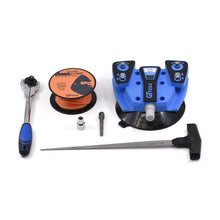
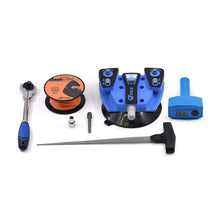
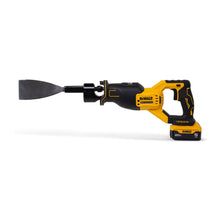
Glass Cutters: To remove the damaged glass efficiently
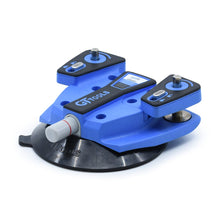
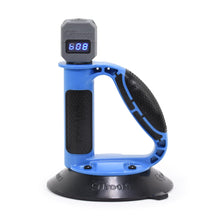
- Suction Cups: For safely handling and positioning the new glass.
- Urethane Adhesives: Ensure a secure bond between the glass and the vehicle frame.
- Primer: Prepares surfaces for better adhesion.
- Protective Gear: Gloves and safety glasses to protect against injuries.
For high-quality tools and materials, consider exploring GT Tools' collection.
Step-by-Step Guide on How to Replace a Windshield
Replacing a windshield involves several critical steps to ensure safety and proper installation:
1. Preparation
- Park the vehicle on a flat surface and ensure it's turned off.
- Wear protective gear, including gloves and safety glasses.
- Cover the dashboard and surrounding areas to protect them from debris.
2. Remove the Damaged Windshield
- Use a glass cutter or cold knife to cut through the adhesive holding the damaged windshield carefully.
- Employ suction cups to lift and remove the broken glass safely.
3. Clean and Prepare the Frame
- Remove any residual adhesive using appropriate tools.
- Clean the pinch weld area thoroughly to ensure proper adhesion.
- Apply primer to the frame to promote optimal adhesion of the new adhesive.
4. Apply Urethane Adhesive
- Using a caulking gun, apply a continuous bead of urethane adhesive around the perimeter of the frame.
- Ensure the bead is uniform in height and width to prevent leaks.
5. Install the New Windshield
- With the help of suction cups, position the new windshield accurately over the frame.
- Align it properly and press firmly to ensure a secure fit.
- Verify that the windshield is evenly seated and properly aligned.
6. Curing Time
- Allow the adhesive to cure as per the manufacturer's recommendations before driving the vehicle.
- Curing times can vary based on the adhesive used and environmental conditions.
Best Practices for Automotive Businesses in Replacing Auto Glass
- Training: Ensure technicians are trained in the latest auto glass replacement techniques.
- Quality Materials: Always use OEM-approved glass and high-quality adhesives.
- Customer Communication: Inform customers about the importance of curing times and any post-installation care.
- Safety Protocols: Adhere to safety standards to protect both technicians and customers.
FAQs
Q1. Can Windshield Replacement Be Done on Any Vehicle Type?
Yes, but the process may vary based on the vehicle's make and model. Always refer to the manufacturer's guidelines.
Q2. How Long Does a Professional Auto Glass Replacement Take?
Typically, it takes about 60 minutes, but curing times can extend the total duration.'
Q3. What Automotive Safety Standards Should Be Followed?
Adhere to the U.S. Federal Motor Vehicle Safety Standards (FMVSS) 212/208, which pertain to windshield mounting and occupant crash protection.
Q4. Is it Hard to Replace Auto Glass?
While DIY kits are available, professional replacement ensures safety and compliance with standards.