

YOUR CART IS EMPTY
Go to cart
GT Tools makes three synthetic cutting lines, and the company is very clear about the differences between them. The Titan Cord product page says it plainly: "This is not the cord you use to save glass. Use our ZipLine for that." That single sentence settles most of the choice. ZipLine is for cut-outs where the glass is coming out intact and the hardware around it is expensive. Gorilla Cord is for old, hard aftermarket urethane. Titan Cord is for glass you have already written off, where the only goal is getting it out. This guide covers what separates the three, what they cost per spool and per five-pack, and why a synthetic line is better than wire on an aluminum body.
All three are sold in 250ft spools, singly or in five-packs.
| Line | Built for | Single spool | Five-pack |
|---|---|---|---|
| ZipLine | Precision cut-outs on OEM and aftermarket vehicles with tight tolerances and expensive hardware. The line GT names when the glass is being saved. | $44.00 | $196.00 |
| Gorilla Cord | Aftermarket windshields and late model vehicles with old, hard urethane. Built on the ZipLine design with added tubular fiber reinforcements. | $48.00 | $218.00 |
| Titan Cord | The most stubborn glass. GT states it was designed to break through every pin in its way. 720 lb tensile strength, 1.25mm diameter, SlickZip abrasion-resistant coating. | $57.00 | $260.00 |
Prices checked 1 September 2026. Confirm current pricing on each product page.
The $13.00 between a ZipLine spool and a Titan spool is not a quality ladder. These are three different jobs, and using the strongest line on every removal is the wrong instinct.
GT Tools describes ZipLine as providing the same strength and durability as steel and braided wire in a safe, user-friendly synthetic line, for precision cut-outs on OEM and aftermarket vehicles with tight tolerances and expensive hardware.
Two words there decide when to reach for it. “Precision,” because the line is thin enough and controlled enough to work close to trim and sensors. And “hardware,” because late model glass sits alongside rain sensors, camera brackets and encapsulated mouldings that cost more than the windshield. On a job where the glass is coming out in one piece for reuse, or where the surrounding components have to survive, ZipLine is the line GT points at.
Gorilla Cord was built off the original ZipLine design with additional tubular fiber reinforcements to increase strength and abrasion resistance. GT Tools is specific about when to use it: aftermarket windshields and late model vehicles with old and hard urethane, and only where the additional tensile strength is needed.
That last clause matters. The company is telling you not to default to Gorilla. Older aftermarket urethane that has cured hard is what the extra reinforcement is for, and $4.00 more per spool covers it when you meet that bead.
Titan is the outlier, and GT Tools frames it as one. The published specifications are 720 lb tensile strength, which GT states is 30% stronger than anything else available, a 1.25mm ThinTech diameter, and a SlickZip extreme abrasion-resistant coating.
The 1.25mm diameter alongside 720 lb of tensile strength is the useful pairing. A thin line that strong will pass through a bead that would stop a thicker one, and it will keep going through the urethane pins that stop other cords. GT's own description is that it was designed to break through every pin in its way and keep trucking.
Use it when the glass is already broken or being scrapped, and when previous attempts have snapped a lighter line.
Two reasons, and both are published on GT Tool's own pages.
Broken line behaves differently. GT Tools states that both Gorilla Cord and Titan Cord feature a "no load under stress" reaction to breakage: if the line breaks, it will not retract, spin or coil dangerously the way steel and braided wires do. A technician pulling hard on a wire that lets go is in the path of whatever the wire does next. A synthetic line that goes slack is a different event.
Aluminum pinchwelds. GT Tools states on the Gorilla Cord page that ZipLine and Gorilla Cord will not cut the aluminum pinchweld the way wire or power tools can, and names the aluminum-bodied Ford F-150 as the case in point.
Aluminum body panels are no longer unusual, and a gouged aluminum pinchweld is a repair rather than a touch-up. For shops seeing more aluminum work each year, that is a reason to move to synthetic line across the board rather than only on the jobs where the glass is being saved.
You are not trading away strength for it. GT Tools describes ZipLine as providing the same strength and durability as steel and braided wire, in a synthetic line. The safety and the paint protection come without a weaker cut, which is the objection most technicians raise before they try one.
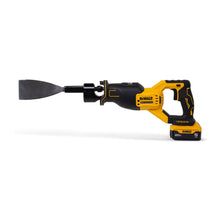
Diameter is the other half of that. A 1.25mm line goes into gaps a thicker cord cannot enter, so tight tolerances around trim, sensor housings and encapsulated mouldings stay reachable. Post 5 covers the wider choice between wire methods and powered cut-out tools if that decision is still open.
GT Tools publishes the sequence on the ZipLine page, and it explains why the accessories below matter.
Step one is where most cut-outs stall. Getting a 1.25mm line through a cured bead from the outside takes a tool built for it, which is why a starter handle belongs in the kit before a second spool does.
Step two is where technicians get hurt. A line under enough tension to saw through urethane will cut skin, and the sawing motion in step three means that tension is cycling rather than steady.
GT Tools also publishes safety guidance for line work: wear protective gloves and eyewear, avoid excessive force to prevent snapping, keep hands away from sharp edges during cutting, and store the line somewhere dry between jobs.
Take the point about excessive force seriously. Reaching for a stronger line is often the wrong response to a bead that will not give. If ZipLine is snapping on old aftermarket urethane, that is what Gorilla Cord is for, and forcing the lighter line harder is how a break happens.
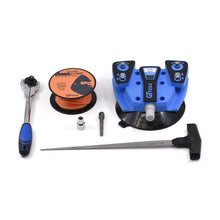
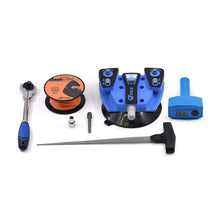
Line on its own is half a system. Three inexpensive items make it workable.
The Auto Glass Wire and Line Starter Handle is $20.00 and handles the part of the job that goes wrong first, which is getting the line through the bead to start with.
The Auto Glass Wire Handle Grips are $21.00. Cutting line under tension against bare hands is how technicians lose skin, and grips are the cheapest fix in this entire guide.
The Small Wire and Cord Protection Shield is $28.40 and sits between the line and the body panel at the point where the line exits.
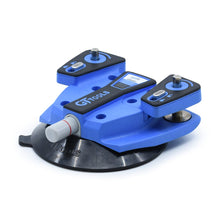
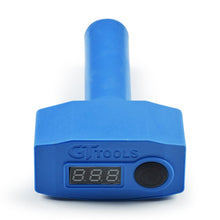
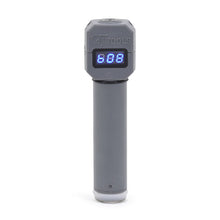
For shops moving from hand-pulled line to a powered system, GT Tools makes two: the FinalCut Cord and Wire Removal System at $567.00 and the KONG at $567.00. Both wind the line mechanically instead of by hand, which changes the work from a two-person pull to a one-person operation. All three lines run on either.
Every line is sold both ways, and the five-pack discount changes what a spool costs.
| Line | Single | Five-pack | Per spool in the five-pack | Saving |
|---|---|---|---|---|
| ZipLine | $44.00 | $196.00 | $39.20 | $24.00 |
| Gorilla Cord | $48.00 | $218.00 | $43.60 | $22.00 |
| Titan Cord | $57.00 | $260.00 | $52.00 | $25.00 |
Prices checked 1 September 2026.
The saving is between 9% and 11% on each. That favours buying five-packs of whichever line a shop reaches for most and single spools of the other two, rather than five-packs across the board. A shop working mostly late model OEM glass will empty ZipLine spools and leave Titan sitting on the shelf.
Three singles cost $149.00 together, which is the simplest answer for a shop that does mixed work and does not want to think about it again.
Beyond that, buy depth in the line your work calls for. A shop on late model OEM glass will empty ZipLine and should buy that five-pack at $196.00. A shop on older aftermarket replacements will reach for Gorilla and should buy the $218.00 five-pack. Titan is the one most shops keep a single spool of, because the jobs that need it are the exception.
Add the $20.00 starter handle and the $21.00 grips regardless of which line you stock. Neither is optional equipment once you have watched someone try to start a cut-out without them.
It depends on whether the glass is being saved. GT Tools recommends ZipLine at $44.00 a spool for precision cut-outs on vehicles with tight tolerances and expensive hardware. Gorilla Cord at $48.00 is for aftermarket windshields and late model vehicles with old, hard urethane. Titan Cord at $57.00 is for stubborn glass that is not coming out intact. The Titan product page says directly that it is not the cord to use when saving glass.
GT Tools states that its Gorilla Cord and Titan Cord have a "no load under stress" reaction to breakage, meaning the line will not retract, spin or coil the way steel and braided wire do when they let go. The company also states that ZipLine and Gorilla Cord will not cut an aluminum pinchweld the way wire or power tools can, and names the aluminum-bodied Ford F-150 as the example.
GT Tools publishes 720 lb tensile strength and describes it as 30% stronger than anything else available. The line is 1.25mm in diameter with a SlickZip extreme abrasion-resistant coating. The combination of a thin line and that much strength is what lets it pass through beads and urethane pins that stop lighter cords.
You can, and GT Tools argues against it. Gorilla Cord should only be used where the additional tensile strength is needed, per the product page, and Titan is explicitly not the line for jobs where the glass is being saved. Single spools are $44.00 for ZipLine, $48.00 for Gorilla and $57.00 for Titan, so carrying all three costs $149.00 and removes the question.
Use a starter handle. The Auto Glass Wire and Line Starter Handle is $20.00 and is built for feeding line through the bead, which is the step where a cut-out most often stalls. Add the Wire Handle Grips at $21.00 for pulling, since bare hands on a line under tension is how technicians get hurt.
Yes. Both the FinalCut and the KONG at $567.00 each wind the line mechanically rather than by hand, and all three GT lines work with either. A powered system turns a two-person pull into a one-person job, which is where the case for it usually starts.
That depends on the vehicle and how much line gets consumed per pass, so GT does not publish a per-job figure. All three lines come in 250ft spools, and the five-pack pricing suggests most shops buy in quantity rather than per job.
See the full range of cord, wire and cut-out systems in the GT Tools Cord and Wire Cut-Out Systems collection, or reach the team at gtglass.com to work out which line suits the vehicles you see most.