Auto Glass Replacement Tools
A windshield replacement is four jobs in sequence. Cut the old glass free of the urethane holding it in. Get the panels and trim out of the way. Clean the pinch weld back to a surface new urethane will actually bond to. Set the new glass square and seal it.
Each of those steps has its own tools, and the tool that makes one step fast can make the next one slower. GT Tools® has been building auto glass tools since 1984, and this category covers the whole sequence, from a single replacement blade to a complete kit. Below is how the range breaks down by step.
Cutting the Glass Out
This is where the job is won or lost, and where the most damage gets done. There are three broad approaches.
Cutting line and wire pulls through the urethane bead from inside or outside the vehicle. It is the gentlest on paint and pinch weld, which is why it stays popular on high-value and aluminium-bodied vehicles. Gorilla Cord, Titan Cord and ZipLine differ in profile and strength; see the full cord, wire and knife tools range.
Cold knives and long knives are manual, cheap to run and completely controllable. They are slower, and they ask more of your shoulder. Browse cold knife tools and blades and long knife tools and blades.
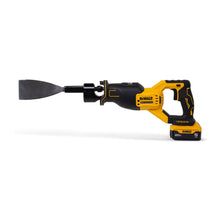
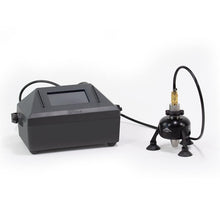
Powered cut-out tools are the speed answer for volume work. GT's own line runs from the FinalCut™ and KONG™ through the GT.38 Special, the Beast™ and the brushless GT.50 Reaper™. If you already own a cordless platform, reciprocating and oscillating blades let you use it instead.
Choosing between a reciprocating tool and cord? Our comparison of motorized vs. wire cut-out tools covers how each works and when to reach for it.
Prepping the Opening
Before the glass comes out, the wipers, cowl and interior trim usually have to. Wiper and panel removal tools get those off without breaking the clips, and cowling clips and setting blocks covers the clips you break anyway, which on some models is most of them.
Once the opening is clear, the pinch weld has to be cut back and cleaned. New urethane bonds to old urethane, not to bare metal, so the aim is a thin, even remaining bead rather than a stripped flange. Scrapers, pinch weld knives and gasket tools live in pinch weld and gasket tools; the RazorScraper™ is the fast way through the flat sections. Primers, daubers and cleaning supplies are in prep and cleaning tools.
Setting and Sealing the New Glass
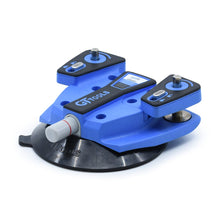
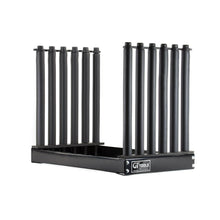
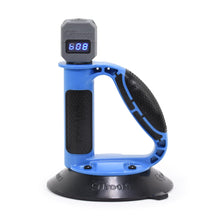
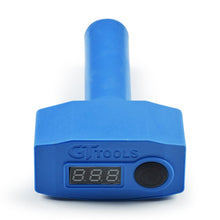
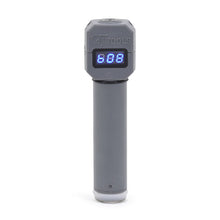
Handling comes first. Glass suction cups range from simple two-handed cups to the SuperPump™ and Mini SuperPump™, which hold vacuum automatically instead of asking you to remember to re-pump. A glass rack or an adjustable windshield stand keeps glass safe between the van and the vehicle.
Getting the glass square and at the right height is what windshield installation devices and height setting blocks are for. Laying the bead is what caulking guns are for, and this is one place worth spending: a consistent bead height from a powered or high-ratio manual gun is faster and leaks less than a bead laid by a tired hand.
Finish with moldings and tapes.
Kits, Factory Serviced Tools and Everything Else
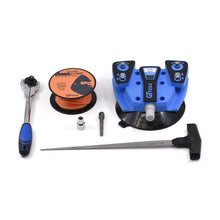
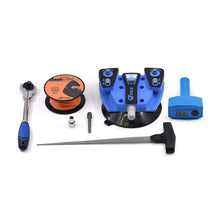
Building a kit from scratch is expensive. The auto glass tool kits range bundles the sequence above at several levels, from the Base Auto Glass Hand Tool Package through complete removal kits. Factory serviced tools are GT tools returned, refurbished and re-tested, and they are the least expensive route onto the powered lineup.
Also here: mirror tools and adhesives, defroster repair including the Blue Mud™ tab bond kit, auto glass inspection tools, protective equipment and miscellaneous tools.
New to scoring glass? Our guide on how to use a glass cutter walks through each step, from cleaning the glass to smoothing the edges.
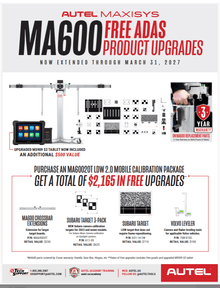
If the vehicle has a camera behind the windshield, the job is not finished when the glass is set. See ADAS calibration and diagnostic. If the damage does not need replacement at all, see windshield repair and glass and plastic restoration.
Our Products are Designed, Engineered, Forged, Machined, Assembled, and Shipped with pride in Durango, Colorado, USA.
Frequently Asked Questions
What tools do I need to replace a windshield?
At minimum: something to cut the urethane (cutting line, a cold knife, or a powered cut-out tool), a scraper to trim the old bead back, panel and wiper removal tools to clear the opening, suction cups to handle the glass, setting blocks to position it, a caulking gun to lay the new bead, and primer with daubers. A kit covers that list in one purchase.
Cutting line, cold knife, or a powered cut-out tool?
Cutting line is gentlest on the vehicle and the best choice where pinch weld or paint damage would be expensive. A cold knife costs least and gives the most control, at the cost of speed and effort. A powered cut-out tool is fastest and pays for itself on volume, but it is less forgiving in tight corners. Most working technicians end up carrying at least two of the three, because vehicles vary.
Does a windshield replacement need ADAS calibration afterwards?
If the vehicle has a forward-facing camera mounted to the windshield, then in almost every case yes. The camera's aim is referenced to the glass it is bonded to, so new glass means the aim has to be re-established. See ADAS calibration and diagnostic.
Can the damage be repaired instead of replaced?
Often, and it is worth checking before you quote a replacement. Damage is generally repairable when the chip is smaller than a quarter, or when a crack is less than 3 inches and not in the driver's line of sight. A repair keeps the original glass and the original camera mount, which usually avoids calibration as well. See windshield repair.
How long before the vehicle can be driven?
That is set by the urethane, not by the tools. Safe drive-away time varies by product, temperature and humidity, and the manufacturer of the adhesive you are using publishes the figure. Follow it rather than a rule of thumb, because it is the number that determines whether the glass will do its structural job in a collision.
What are factory serviced tools?
GT tools that have come back to us, been rebuilt and re-tested, and are sold at a lower price than new. They are a practical way onto the powered cut-out lineup, and the range changes as stock moves. See factory serviced tools.